An internal Post, Communications, Public Relations
It’s a recurring debate in marketing, particularly with leaders deeply focused on attribution metrics: How do you accurately measure PR ROI? The short answer is that measuring the true earned media value of public relations is a bit challenging.
One news placement or even several stories won’t necessarily move the sales needle on day one (though when it happens, you’ll know it!). Consumers and B2B buyers make purchasing decisions based on multiple touchpoints over time. Building brand equity takes consistency, strategy, and patience.
Earned vs. Paid Media: Why Third-Party Credibility Wins
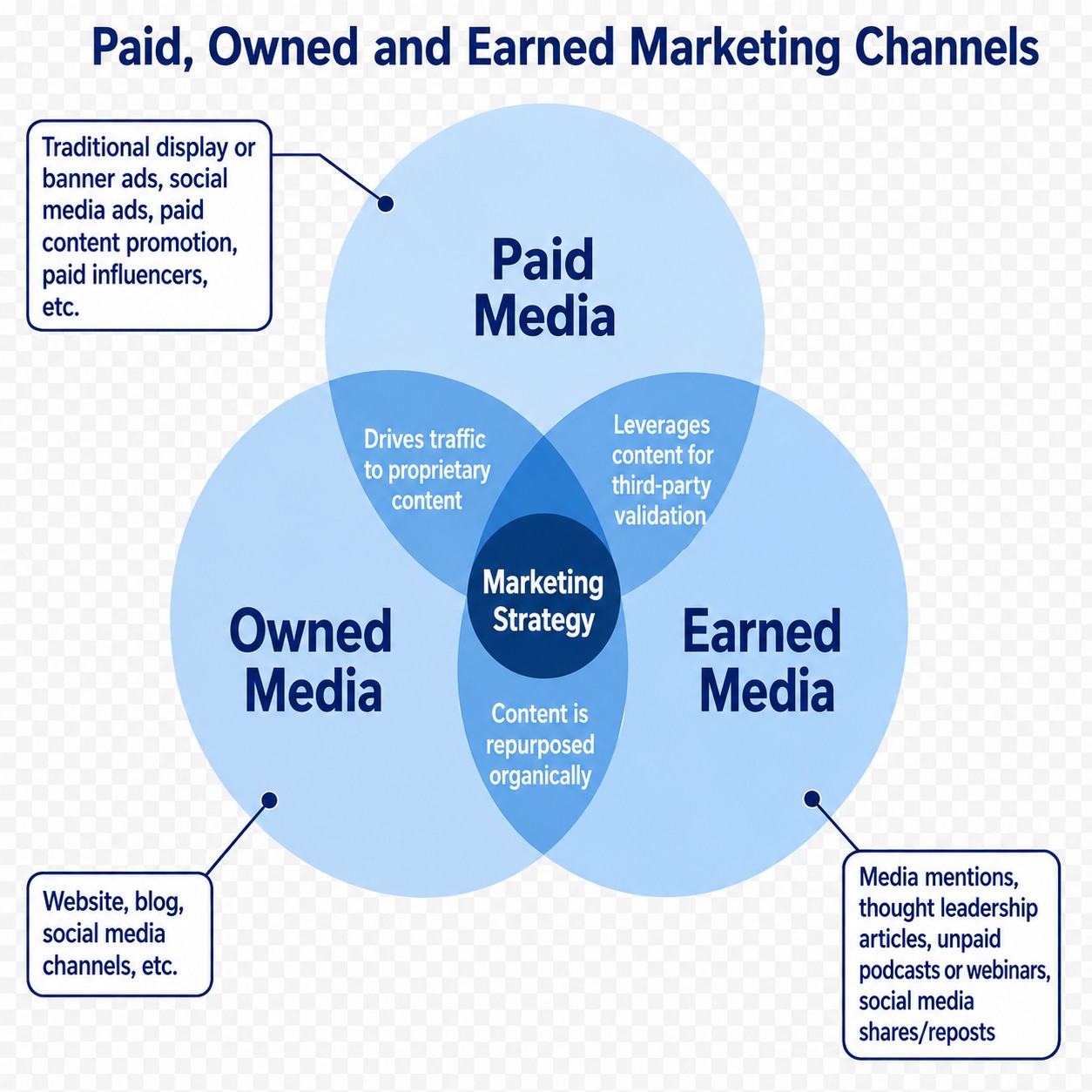
In a digital landscape saturated with sponsored posts, native ads, and pay-to-play editorial placements, understanding the distinct value of earned vs. paid media is critical for any marketing strategy.
- Paid Coverage Buys Control: Paid advertising gives you total authority over timing, messaging, and placement. However, it is easy to spot sponsored content, and it may often be viewed with skepticism because of the paid-for access.
- Earned Media Builds Trust: Earned media passes through an independent journalistic filter. When an editor or trade publication features your story based on merit, that third-party credibility carries a level of trust that no paid advertisement can buy.
Beyond the Headline: Key Components of an Effective PR Strategy
Strategic public relations is far more than securing a single “good” press release. To maximize earned media value, a modern PR strategy must integrate:
- Targeted Messaging & Positioning: Aligning core brand narratives with audience pain points.
- Issue Management: Capitalizing on real-time industry developments and trends.
- High-Value Content Creation: Producing compelling commentary and op-eds, and utilizing research for content.
- Multi-Channel Leveraging: Ensuring earned placements reach prospects across search and social channels.
PR is no longer just a media game. Audiences actively research brands through organic search. An earned feature story isn’t just a point-in-time win; it can rank on Google search results for months or years, driving continuous organic traffic.
Maximizing PR ROI for B2B and B2C Brands
Unlike paid advertising campaigns where lead generation stops once the ad spend ends, earned media operates as a compounding asset.
- For B2B Companies: A high-impact bylined article in a key trade publication establishes executive thought leadership, boosts domain authority, and serves as long-term sales collateral.
- For B2C Companies: Unprompted, positive product reviews from trusted third parties offer permanent social proof that drives customer conversion.
- For Organic Search (SEO): Earned editorial coverage secures authoritative backlinks, lifting overall organic search rankings far more effectively than short-term ad campaigns.
Does PR Work? Evaluating the Bottom Line
So, does PR work? While paid coverage can deliver quick short-term visibility, earned media builds the long-term reputation, search authority, and market trust that can sustain a company’s growth.
One way to measure whether the earned media value of your PR strategy works is to compare how your earned media placement compares to a pay-for-play placement and see the impact on your brand visibility, trust, and momentum. You might be surprised by the outcome!